


The Death of the App: How Personal AI Agents Are Quietly Taking Over Your Digital Life
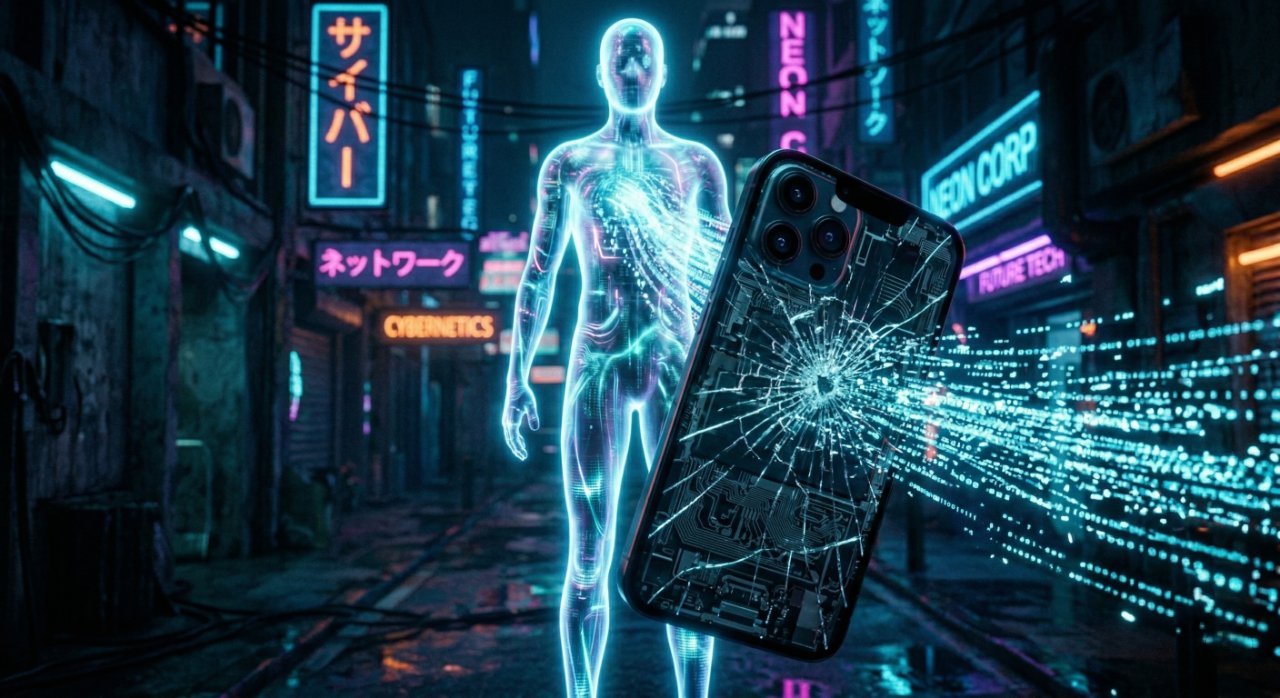
Remember the golden era of the smartphone? The battle cry was simple: “There’s an app for that.” Need food? Download an app. Want to track your sleep? Download an app. Booking a flight? You guessed it—another app.
But over the last decade, our digital toolbelts have turned into cluttered junk drawers. We are suffering from extreme app fatigue. We spend more time managing our software, updating passwords, and navigating fragmented interfaces than actually getting things done.
The era of the app is drawing to a close. Taking its place is a silent revolution that is about to change how you interact with the digital world forever: The Personal AI Agent.`
What is a Personal AI Agent?
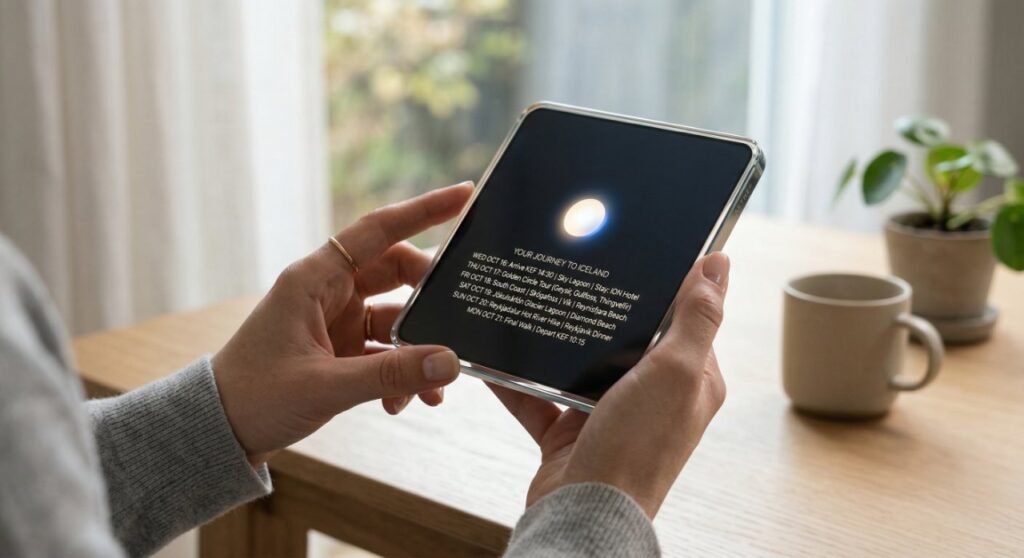
Unlike a standard AI chatbot where you type a prompt and receive a text response, an AI Agent is autonomous. It doesn’t just answer questions; it executes complex, multi-step actions across different platforms on your behalf.
Think of it as the difference between a dictionary and a highly capable chief of staff.
Instead of opening your calendar app to check your schedule, opening a travel app to book a flight, and opening a messaging app to coordinate with your colleague, you simply tell your agent: “Book my usual window seat to Chicago for next Tuesday morning, and let Sarah know I’ll be there for the 2 PM meeting.” The agent handles the rest, navigating the background APIs of the internet seamlessly.
The 3 Reasons Apps are Becoming Obsolete
1. The Frictionless Future
Apps require you to learn their specific user interface (UI). You have to adapt to the software. AI Agents reverse this dynamic. The software adapts to you. The new UI is simply natural language—your voice or your text. When the interface becomes invisible, the friction of digital tasks drops to zero.
2. Contextual Super-Intelligence
Standalone apps are siloed. Your fitness app doesn’t talk to your grocery delivery app. An AI Agent, however, sits at the operating system level. It knows you had a heavy workout (via your smartwatch), checks your smart fridge, realizes you are out of protein, and automatically adds it to your grocery order before you even realize you need it.
3. The End of the “Attention Economy”
Traditional apps are designed to harvest your attention. They use notifications, infinite scrolls, and gamification to keep your eyes glued to the screen. AI Agents are task-oriented. Their sole metric for success is how much time they can save you. They act as a shield between you and the noise of the internet.
What This Means for You
The transition from apps to agents will happen gradually, and then all at once. Over the next few years, you will notice your home screens shrinking. The grid of colorful icons will give way to a single, unified interface that simply asks: “What do you need done today?”
This shift will demand a new level of trust in our technology, raising vital questions about data privacy, security, and the concentration of power among the tech giants building these agents.
But the payoff? Giving humanity back its most precious resource: Time.
The app store isn’t dead yet, but its days are numbered. The future doesn’t have an app for that. The future just does it for you.
RIP Apps. (2008–2026)
Remember the golden era of the smartphone? The battle cry was simple: “There’s an app for that.” Need food? Download an app.